More firepower does not mean more effectiveness: how one precision missile beats a barrage

נשק מונחה מדויק: איך טיל יודע לפגוע במטרה - photo by Pixabay via Pexels
In short: a barrage wins by covering an area with metal, a guided weapon wins by putting one warhead exactly where it counts. Once you add up the cost per destroyed target, the ammunition trucks, and the risk to civilians nearby, a single precision round usually does the job that dozens of unguided shells cannot.
The old instinct in war is simple. Send more rounds downrange and something will die. That logic held for centuries because gunners could not aim a shell after it left the barrel. It stopped holding the moment a warhead could steer itself.
How the weapon finds its target
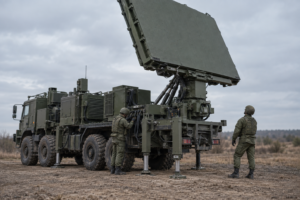
A guided munition carries a seeker and a set of control fins. GPS and inertial units keep it on a preset coordinate. Laser designation lets a soldier or drone paint the target so the missile rides the reflected beam. Imaging infrared and radar seekers can lock onto the shape or heat signature of a vehicle and follow it even if it moves.
The result is a hit probability that unguided fire cannot touch. A dumb artillery shell might land within tens of meters of an aim point. A guided round routinely lands within a few meters, which is the difference between destroying a bunker and cratering an empty field beside it. Compact systems like the Spike SR short-range missile put that kind of accuracy in the hands of a single dismounted soldier.
Accuracy versus volume: what actually decides
Cost is where the argument gets counterintuitive. A precision missile can cost far more per unit than a crate of shells. But effectiveness is measured per destroyed target, not per round fired. If a barrage needs 40 shells to hit one bunker and a guided weapon needs one, the expensive missile often wins on total cost, and it wins by a wide margin on everything else.
The operational payoff: less fire, less damage
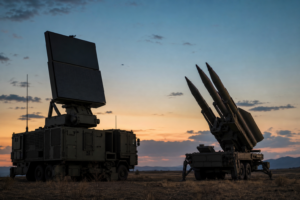
Firing fewer rounds changes the whole tail behind the trigger. Every shell has to be manufactured, trucked forward, and stored under guard. Saturation fire burns through that supply chain fast and leaves a unit reloading under pressure. A precision approach cuts the tonnage moved and shortens the resupply line, which matters as much as the hit itself. The same shift toward smart, targeted defense shows up at sea, where layered modern torpedo defense replaces blanket countermeasures with directed responses.
Collateral damage is the other half. A wide barrage cannot promise it will spare a school or a hospital next to the target. A guided warhead can be aimed to avoid them.
- One warhead on target instead of dozens scattered around it
- Lighter ammunition load and a shorter resupply chain
- Smaller danger zone for nearby civilians and structures
- Faster engagement, since fewer corrections are needed
- Moving targets can be tracked and struck, not just fixed points
Where the technology stops
Precision is not magic. Seekers can be jammed or spoofed, GPS signals can be denied, and smoke or bad weather can blind a laser designator. A guided round also depends on good target data. Feed it the wrong coordinate and it will hit the wrong thing with impressive accuracy. Barrages still have a place when an area needs suppression rather than a single point struck.
The lesson holds anyway. Fired blindly, more rounds mostly buy more noise. For a defined target, put your money on the round that steers. See the technical overview of precision-guided munitions for the underlying guidance methods.