One interceptor cannot cover the sky: why modern air defense is built in layers
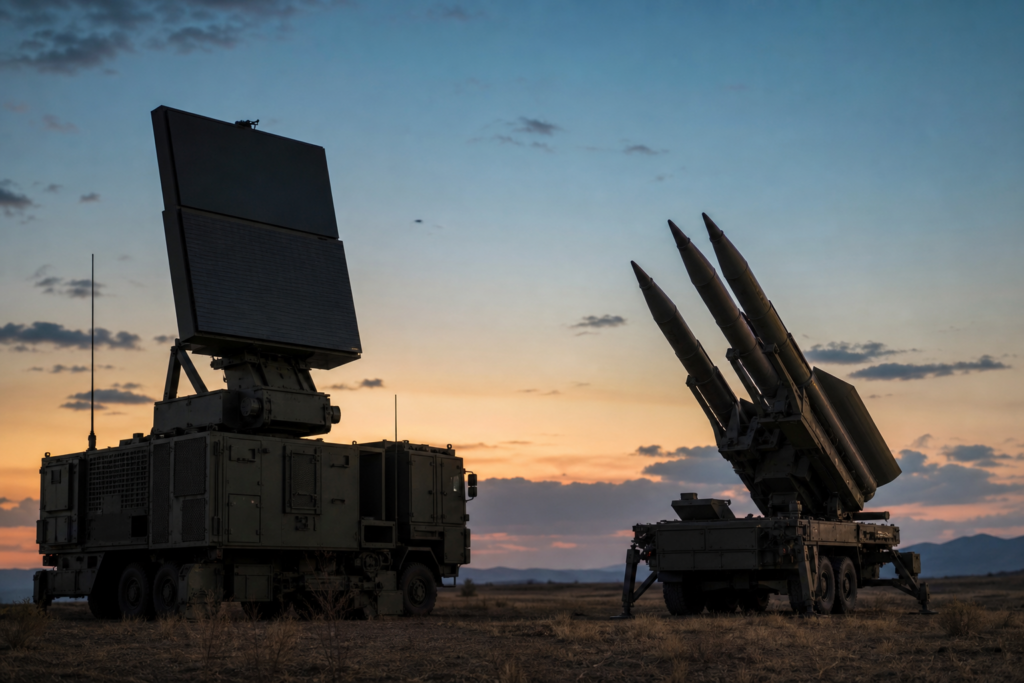
Layered air defense
In short: no single interceptor handles every threat, so modern air defense stacks several systems by range and altitude. Cheap rockets, cruise missiles, drones and ballistic missiles each need a different answer. The layers overlap on purpose, so anything that slips past one is caught by the next.
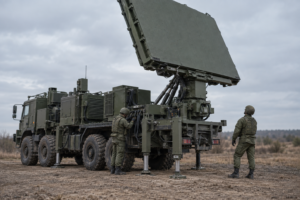
People picture air defense as one big missile that shoots down anything incoming. Reality is messier. A system tuned to stop a ballistic missile at high altitude is useless against a slow drone skimming the rooftops. That gap is exactly why defenders build in layers.
קראו גם: A tank’s thickest armor now weighs almost nothing and fires back · The cheap drone that kills a tank: how loitering munitions broke the cost-per-kill math · A bigger warhead is the wrong metric, accuracy is what decides the strike
Why one system is never enough
Threats do not arrive in one flavor. A short-range rocket flies a low arc for a few seconds. A cruise missile hugs the terrain at low altitude. A ballistic missile climbs into space and comes down fast. One interceptor cannot be cheap, fast, long-ranged and high-altitude all at once. Physics and cost force a trade-off.
So defenders match each threat to the right tool. A low-cost interceptor handles cheap rockets, and pricier ones are saved for harder targets. This is the same logic behind the idea that one precise missile beats a barrage: spend the expensive shot only where it counts.
The layers, from close to far
Each layer buys time for the next. If a drone slips past the outer ring, the inner ring still has a chance. That overlap matters, because a cheap drone can be as dangerous as an expensive missile, a point made clear by loitering munitions that break the cost math.
What ties the layers together
- Radar that detects and tracks threats early.
- A command system that assigns each threat to the right layer.
- Interceptors matched by cost, speed and altitude.
- Data links that share a single air picture across systems.
The glue is the sensor and command network, not the missiles. If that network goes blind or gets confused, the whole stack degrades. Electronic warfare targets exactly this seam, which is why GPS and other signals can be jammed to weaken the picture the defenders rely on.
Cost is part of the design
Interceptors are expensive, and attackers know it. Firing a costly interceptor at a cheap rocket is a losing trade over time. Layered defense answers this by keeping cheap threats on cheap layers and reserving the high-end shots for real danger. A well-known example of a low-tier layer is missile defense built around short-range interception.
The takeaway is simple. Do not judge an air defense by its biggest missile. Judge it by how well its layers hand off threats between them, and by whether the sensor network keeps working under pressure. That coordination, not any single interceptor, is what keeps the sky covered.
מאמרים נוספים שיעניינו אתכם
- A tank’s thickest armor now weighs almost nothing and fires back
- The cheap drone that kills a tank: how loitering munitions broke the cost-per-kill math
- A bigger warhead is the wrong metric, accuracy is what decides the strike
- GPS is not a utility. It is a whisper that a jammer can shout over.
- More firepower does not mean more effectiveness: how one precision missile beats a barrage
- Not the prime minister, not just ceremonial: what the President of the State actually does